When a grueling work week finally ends, most of us have one thing on our minds: sleep. While a long slumber is a vital first step, true recovery — both mental and physical — requires more than just staying in bed.
If we don’t actively restore our energy, we risk hitting a wall of chronic stress and burnout. To avoid this, we need to understand that rest is a strategic shift in how we use our energy.
The Power of the “Pivot”
The secret to a perfect reset lies in a principle: the best rest is a change of activity.
- For the Office Worker: If you spend your week staring at a screen and solving complex problems, scrolling through social media or binging a series is more of the same mental strain. Your brain needs you to move. A hike or a gym session is your best “reset” button.
- For the Physical Laborer: If your job involves constant movement or manual labour, your body needs time to recover. Spending your free time on quiet, low-impact activities such as reading, light gardening, or crafting can help restore your energy levels. If you still enjoy sports but do not want to put additional strain on your body after a demanding workday, watching a match can be a relaxing alternative. For those who like adding an extra layer of excitement to the experience, checking the latest World Cup 2026 Betting Odds before a major game can make following the tournament even more engaging.
This shift triggers what psychologists call the “incubation effect.” When you stop obsessing over a work problem and switch gears, your subconscious continues to work in the background. This is why our best ideas often come to us in the shower or during a walk — hence the old saying, “Let me sleep on it.”
Physical Recovery: Beyond the Treadmill
Exercise does more than just burn calories; it’s a chemical factory for happiness. Physical activity slashes cortisol (the stress hormone) while boosting serotonin and dopamine.
This chemical shift creates a “virtuous cycle.” Serotonin eventually helps produce melatonin, the hormone responsible for deep, restorative sleep. Whether it’s a high-intensity workout or a slow yoga flow, find a movement that feels like a reward, not a chore.
The Magic of the 20-Minute Walk If the gym feels like too much, just walk. Walking releases endorphins and clears the “mental fog” of anxiety. Regular fresh air saturates your blood with oxygen and provides a much-needed dose of Vitamin D. Even a 20-minute stroll can sharpen your memory and help you notice beauty in the familiar.
The “Novelty” Factor: Fueling the Mind
Research shows that people are happier when their lives are diverse. To stay mentally flexible and creative, you need a “change of scenery.”
- Micro-Adventures: You don’t need a plane ticket to explore. Try a new recipe, visit a museum you’ve walked past a dozen times, or take a different route home.
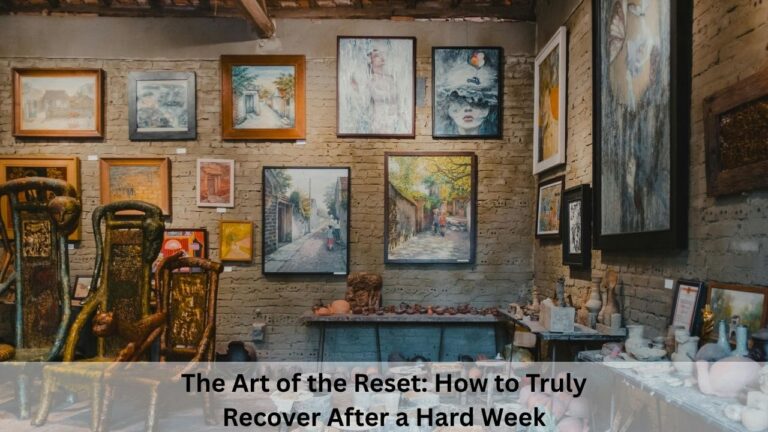
- The Power of “New”: Wearing a style of clothing you usually avoid or hanging a new piece of art can stimulate your brain and break the cycle of “autopilot” living.
- Mini-Breaks: If a full vacation isn’t in the cards, a weekend trip to a nearby town or a countryside hotel can provide enough new impressions to feel like a total reset.
Reclaiming the Human Connection
We live in an online world, but a “laughing emoji” is no substitute for a real-life laugh. Humans are social creatures, and isolation is a fast track to burnout.
Real-life meetings provide:
- Emotional Support: Simply venting to a friend can lift a weight off your shoulders.
- Perspective: Friends help you see past “tunnel vision” and find solutions you missed.
- Energy Exchange: Physical presence, tone of voice, and body language create a sense of satisfaction that a screen simply cannot replicate.
How to Find Your “Tribe”
If your social circle feels small, seek common ground. Join a neighborhood group, a book club, or a volunteer organization. Statistics from the Higher School of Economics show that one in three volunteers considers themselves a truly happy person. Helping others is, paradoxically, one of the best ways to help yourself.
The Zen of Working with Your Hands
Engaging in a tactile hobby — pottery, gardening, knitting, or even assembling furniture — acts as a form of “active meditation.”
When you focus on a physical task, your mind stops spiraling. Completing a project provides a powerful hit of dopamine and builds healthy self-esteem. Furthermore, working with your hands improves fine motor skills, which keeps your memory and attention sharp as you age.
Optimizing the Foundation: Quality Sleep
You cannot recover on a bad mattress. If you wake up with aches and pains, your body spent the night fighting for comfort rather than repairing itself.
- Invest in Ergonomics: Orthopedic mattresses and memory-foam pillows align your spine and relax your muscles, improving blood flow to the brain.
- Digital Hygiene: The “blue light” from your phone kills melatonin production. Put the devices away at least an hour before bed.
- Create a Sanctuary: Keep your bedroom cool, dark, and dedicated only to rest.
Quick Tips for a Better Weekend
- Give yourself permission to do nothing: Sometimes, “laziness” is just your body’s way of demanding a recharge.
- Schedule a Digital Detox: Try a “no-gadget day” once a week.
- Treat yourself: If you’re feeling depleted, delegate the chores. Order a meal, hire a cleaner, or buy that dress you’ve been eyeing. Small joys are powerful motivators.
- Pamper the Body: A sauna, a massage, or a hot bath helps flush toxins and releases physical tension.
By mixing physical movement, social connection, and quality sleep, you are rebuilding yourself for the week ahead.